Unlocking the Secrets of Mood Stones: A Guide to Understanding Their Power
Introduction to Mood Stones
Mood stones have captivated the imagination of people around the world for decades. These fascinating gemstones, often called mood rings or mood stones, are believed to change color based on the wearer's emotional state and body temperature. Whether you're a skeptic or a believer, there's no denying the intrigue and allure surrounding these colorful crystals. In this comprehensive guide, we'll explore the history, science, and mystical properties of mood stones, helping you understand their power and significance in modern wellness practices.
The concept of mood stones represents a unique intersection between science and spirituality. While some view them purely as novelty items, others swear by their ability to provide insight into their emotional well-being. Understanding how these stones work, what they're made from, and how to use them effectively can help you unlock their potential and integrate them into your daily life.
The History and Origins of Mood Stones
Early Development and Discovery
The story of mood stones begins in the 1970s when they were first introduced as a commercial product. However, the concept of color-changing materials dates back much further. The technology behind mood stones was developed by scientists who discovered that certain materials could change color in response to temperature fluctuations. This groundbreaking discovery led to the creation of the first mood rings, which became a cultural phenomenon almost overnight.
The original mood rings were created using liquid crystals, a technology that had been developed for various scientific and industrial applications. When researchers realized that these liquid crystals could be incorporated into jewelry, they saw an opportunity to create something truly unique and marketable. The first mood rings hit the market in the early 1970s and became an instant sensation, particularly among young people who were fascinated by the idea of wearing their emotions on their fingers.
Cultural Impact and Evolution
Throughout the 1970s and 1980s, mood stones became a staple of popular culture. They were featured in movies, television shows, and magazines, and everyone from teenagers to adults wanted to own a piece of this technological marvel. The stones represented a bridge between the scientific and the mystical, appealing to both rational minds and those interested in alternative spirituality.
As time progressed, mood stones evolved beyond simple rings. Manufacturers began creating mood stone necklaces, bracelets, earrings, and even larger decorative pieces. The designs became more sophisticated, and the quality of the color-changing materials improved significantly. Today, mood stones are available in countless styles and price points, making them accessible to virtually anyone interested in exploring their potential.
The Science Behind Mood Stones
How Liquid Crystals Work
At the heart of every mood stone lies the science of liquid crystals. Liquid crystals are substances that exhibit properties of both liquids and solid crystals. They have the ability to change their molecular structure in response to temperature changes, which causes them to reflect different wavelengths of light and appear to change color.
The liquid crystals used in mood stones are typically thermochromic materials, meaning they respond to heat. When your body temperature rises due to increased emotional activity or physical exertion, the liquid crystals inside the stone heat up and change color. Conversely, when you're calm and your body temperature drops, the crystals cool down and shift to different colors.
The color changes in mood stones typically follow a predictable spectrum. Starting from black or dark blue when cool, the stones progress through blue, green, amber, and finally to red or pink when warm. This color progression is not random but follows the natural behavior of the liquid crystals as they respond to temperature variations.
Temperature and Emotional Connection
The connection between body temperature and emotional state is well-established in scientific literature. When you experience strong emotions such as excitement, anxiety, or passion, your body's sympathetic nervous system activates, causing your heart rate to increase and blood vessels to dilate. This physiological response raises your body temperature, which in turn causes the liquid crystals in the mood stone to change color.
However, it's important to note that mood stones don't directly measure emotions. Instead, they measure body temperature, which is influenced by emotional states but also by numerous other factors. Physical activity, environmental temperature, caffeine consumption, and even the time of day can all affect your body temperature and, consequently, the color of your mood stone.
The Limitations of Scientific Interpretation
While the science behind mood stones is straightforward, it's crucial to understand its limitations. Mood stones cannot definitively tell you what emotion you're experiencing because multiple emotions can produce similar temperature changes. Additionally, your body temperature can fluctuate for reasons entirely unrelated to your emotional state. A mood stone showing red might indicate excitement, but it could just as easily mean you've been exercising or that you're in a warm environment.
Despite these limitations, many people find mood stones valuable as tools for self-awareness. By observing how the stone changes color throughout the day, you can begin to recognize patterns in your emotional responses and physical reactions. This awareness can be the first step toward better emotional regulation and understanding yourself more deeply.
The Metaphysical and Spiritual Significance
Crystal Energy and Vibrational Healing
Beyond the scientific explanation, many people believe that mood stones possess metaphysical properties and can influence our energy fields. According to crystal healing traditions, all stones and crystals vibrate at specific frequencies that can interact with our own energetic vibrations. Proponents of this belief system argue that mood stones can help balance our chakras, clear negative energy, and promote emotional healing.
The concept of crystal energy is rooted in ancient traditions from cultures around the world. Indigenous peoples, ancient Egyptians, and traditional Chinese medicine practitioners all incorporated stones and crystals into their healing practices. While modern science hasn't validated these claims, many people report experiencing profound benefits from working with crystals, including mood stones.
Color Symbolism and Meaning
Each color that a mood stone displays carries its own symbolic meaning and energetic significance. Understanding these associations can help you interpret what your mood stone is telling you about your current state of being.
Black or dark blue typically represents calmness, relaxation, and a grounded state. When your mood stone displays these colors, it suggests that you're in a peaceful, centered place emotionally. Green is associated with balance, harmony, and healing. This color often appears when you're feeling emotionally stable and in tune with your surroundings. Amber or yellow represents warmth, joy, and optimism. When your stone shows these colors, it may indicate that you're feeling positive and energized. Finally, red or pink symbolizes passion, excitement, and strong emotional energy. These colors suggest heightened emotional activity and increased physical vitality.
Chakra Alignment and Energy Work
In many spiritual traditions, mood stones are used as tools for chakra alignment and energy work. The chakra system, originating from Hindu and Buddhist traditions, describes seven energy centers in the body, each associated with specific colors and emotional qualities. By working with mood stones and observing their color changes, practitioners believe they can identify which chakras are balanced or blocked and take steps to restore harmony.
For example, if your mood stone frequently displays green, some practitioners might suggest that your heart chakra is particularly active or that you're in a state of emotional balance. If it consistently shows red, they might interpret this as heightened activity in your root chakra or sacral chakra, indicating strong grounding energy or creative passion.
Choosing and Selecting Your Mood Stone
Types of Mood Stones Available
The market offers a wide variety of mood stones in different forms and materials. Traditional mood rings remain popular, featuring a liquid crystal element set in a metal band. These are affordable and convenient, making them an excellent choice for beginners. Mood stone necklaces offer a more subtle way to wear your stone close to your heart, while mood stone bracelets allow for easy observation throughout the day.
Beyond jewelry, you can find larger mood stones designed for meditation and energy work. These pieces are often polished into smooth shapes or left in their natural crystal form. Some people prefer to work with raw mood stones, believing that the natural form carries stronger energetic properties. Others prefer polished stones for their aesthetic appeal and ease of handling.
Quality Considerations
When selecting a mood stone, quality matters significantly. Higher-quality stones will display more vibrant colors and more responsive color changes. Look for stones that show a clear progression through the color spectrum and that respond noticeably to temperature changes. Avoid stones that appear dull or that change color very slowly, as these may contain lower-quality liquid crystals.
The setting of the stone is also important if you're purchasing jewelry. Ensure that the metal is durable and that the stone is securely set. For rings, check that the band is comfortable and won't irritate your skin. For necklaces and bracelets, verify that the clasp is secure and that the chain or cord is strong enough to support the weight of the stone.
Intuitive Selection
Many people believe that you should choose a mood stone intuitively, allowing yourself to be drawn to the piece that resonates with your energy. When shopping for a mood stone, take time to hold different pieces and notice which one feels right to you. Pay attention to any sensations, emotions, or intuitive nudges you experience. The stone you're meant to work with will often make itself known through this intuitive process.
How to Use Mood Stones Effectively
Daily Wear and Observation
The most common way to use a mood stone is to wear it daily and observe how its color changes throughout the day. Pay attention to when the stone changes color and what you were doing or feeling at that moment. Keep a journal of your observations, noting the time of day, the color displayed, your emotional state, and any external factors that might have influenced the change.
Over time, you'll begin to notice patterns. You might discover that your mood stone consistently shows certain colors at particular times of day, or that it responds predictably to specific situations or activities. This awareness can provide valuable insights into your emotional patterns and help you understand yourself more deeply.
Meditation and Mindfulness Practice
Mood stones can be powerful tools for meditation and mindfulness practice. Hold your stone in your hand or place it on your body, and focus your attention on it. Observe its color and any sensations you experience. As you meditate, notice how the stone's color might change in response to your deepening relaxation or shifting emotional states.
Some practitioners use mood stones as focal points for meditation, using the color changes as a guide for their practice. If the stone is showing cool colors like blue or green, they might deepen their relaxation. If it shifts to warmer colors, they might explore what emotions or thoughts are arising and gently guide their attention back to a more peaceful state.
Energy Healing and Chakra Work
If you're interested in working with mood stones for energy healing, you can incorporate them into your chakra balancing practices. Place the stone on the chakra you wish to work with and set an intention for healing and balance. Spend time observing the stone's color and any sensations you experience. Some practitioners believe that the stone's color changes can indicate which chakras need attention and support.
You can also carry a mood stone with you throughout the day as a reminder to check in with your emotional state. When you notice the stone's color, pause and reflect on what you're feeling. This practice of regular check-ins can help you develop greater emotional awareness and respond to your feelings more consciously.
Creating a Mood Stone Altar or Sacred Space
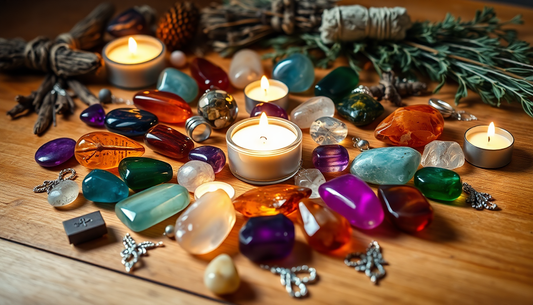
Many people create dedicated spaces for their mood stones, treating them as sacred objects worthy of reverence and care. You might create a small altar with your mood stone, surrounding it with candles, crystals, flowers, or other meaningful objects. This dedicated space becomes a focal point for your spiritual practice and a place where you can connect with your stone's energy.
Spending time in this space, meditating with your mood stone, or simply sitting quietly and observing it can deepen your relationship with the stone and enhance its benefits. Some people find that this practice helps them feel more grounded, centered, and connected to their inner wisdom.
The Psychology of Mood Stones
The Placebo Effect and Self-Awareness
It's important to acknowledge that some of the benefits people experience from mood stones may be attributed to the placebo effect. When we believe that something will help us, our minds and bodies often respond in ways that create the desired outcome. This doesn't diminish the value of mood stones; rather, it highlights the powerful connection between our beliefs, our awareness, and our well-being.
The placebo effect isn't a negative thing. In fact, it demonstrates the remarkable power of our minds to influence our physical and emotional states. If working with a mood stone helps you become more aware of your emotions, more mindful of your body's signals, and more intentional about your well-being, then it's serving a valuable purpose regardless of whether the benefits come from the stone's metaphysical properties or from your own psychological response.
Emotional Awareness and Self-Reflection
One of the most significant benefits of working with mood stones is the increased emotional awareness they can foster. By regularly observing your mood stone and noting its color changes, you develop a habit of checking in with yourself emotionally. This practice of self-reflection can lead to greater emotional intelligence and better emotional regulation.
As you become more aware of your emotional patterns, you can begin to identify triggers and develop strategies for managing difficult emotions. You might notice that your mood stone consistently shows warm colors when you're in certain situations or around particular people, prompting you to examine these relationships and circumstances more closely. This awareness is the foundation for positive change and personal growth.
Mindfulness and Present-Moment Awareness
Mood stones can serve as anchors for mindfulness practice, helping you stay present and aware in the moment. When you pause to observe your mood stone's color, you're bringing your attention to the present moment and away from worries about the past or future. This simple act of observation can reduce stress and anxiety while increasing your sense of calm and centeredness.
Regular mindfulness practice with your mood stone can train your mind to be more present throughout the day. Over time, you may find that you naturally pause more often to check in with yourself, observe your surroundings, and appreciate the present moment. This shift toward greater presence can have profound effects on your overall well-being and quality of life.
Mood Stones and Emotional Health
Supporting Emotional Regulation
While mood stones shouldn't be used as a replacement for professional mental health care, they can be valuable tools for supporting emotional regulation and well-being. By helping you become more aware of your emotional states, mood stones can empower you to respond to your feelings more consciously and constructively.
When you notice your mood stone displaying colors associated with stress or anxiety, you can use this as a signal to pause and employ calming techniques such as deep breathing, meditation, or grounding exercises. Over time, this practice can help you develop greater resilience and emotional stability.
Recognizing Emotional Patterns
Working with mood stones can help you identify recurring emotional patterns in your life. You might discover that you tend to feel anxious at certain times of day, or that particular situations consistently trigger strong emotional responses. Once you recognize these patterns, you can take proactive steps to address them, whether through lifestyle changes, therapy, or other interventions.
Integration with Professional Mental Health Care
If you're dealing with significant emotional or mental health challenges, mood stones can complement professional mental health care but should never replace it. A therapist or counselor can help you understand the root causes of your emotional struggles and develop evidence-based strategies for managing them. Mood stones can serve as supportive tools within this broader framework of care.
Common Misconceptions About Mood Stones
Myth: Mood Stones Directly Measure Emotions
One of the most common misconceptions is that mood stones directly measure your emotions with accuracy. In reality, they measure body temperature, which is influenced by emotions but also by many other factors. A mood stone showing red doesn't definitively mean you're excited or passionate; it could simply mean you're warm or have been exercising.
Myth: All Mood Stones Work the Same Way
Not all mood stones are created equal. The quality of the liquid crystals, the precision of the temperature response, and the durability of the setting all vary between different products. Higher-quality mood stones will provide more accurate and responsive color changes than cheaper alternatives.
Myth: Mood Stones Have Magical Powers
While mood stones can be powerful tools for self-awareness and emotional growth, they don't possess magical powers in the supernatural sense. The benefits they provide come from the combination of their scientific properties and the psychological effects of working with them intentionally.
Myth: Mood Stones Can Replace Professional Help
Mood stones should never be used as a substitute for professional mental health care. If you're struggling with depression, anxiety, trauma, or other serious mental health conditions, it's essential to seek help from qualified mental health professionals.
Caring for Your Mood Stone
Cleaning and Maintenance
To keep your mood stone in optimal condition, clean it regularly with a soft cloth and mild soap and water. Avoid harsh chemicals or abrasive materials that could damage the stone or its setting. If your mood stone is set in jewelry, be gentle when cleaning to avoid damaging the metal or loosening the stone.
Store your mood stone in a safe place where it won't be exposed to extreme temperatures or direct sunlight for extended periods. While the liquid crystals are designed to respond to temperature changes, prolonged exposure to very high or very low temperatures could potentially damage them.
Energetic Cleansing
Many people who work with mood stones from a spiritual perspective believe in regularly cleansing the stone's energy. This can be done through various methods, including placing the stone in moonlight, burying it in salt or soil, or using sound vibrations from singing bowls or bells. The specific method you choose depends on your personal beliefs and preferences.
Intention Setting and Activation
Some practitioners recommend setting intentions with your mood stone when you first acquire it. Hold the stone in your hands, close your eyes, and visualize your intention for