Elevate Your Space: Infusing Spiritual Serenity with Mandala Designs
In today's fast-paced world, creating a sanctuary within your home has become more important than ever. The spaces we inhabit directly influence our mental well-being, emotional balance, and spiritual growth. One of the most transformative ways to elevate your environment is through the incorporation of mandala designs. These ancient, sacred geometric patterns have transcended centuries and cultures, offering a powerful tool for bringing spiritual serenity into your everyday surroundings. At HelenaCabrera, we believe that your space should be a reflection of your inner peace and spiritual aspirations. This comprehensive guide will explore how mandala designs can transform your home into a sanctuary of tranquility and spiritual significance.
Understanding Mandala Designs and Their Spiritual Significance
The Origins and History of Mandalas
Mandalas have a rich and profound history that spans thousands of years and multiple cultures. The word mandala itself comes from Sanskrit, meaning circle or disk. These intricate geometric patterns originated in Hindu and Buddhist traditions, where they were used as tools for meditation, spiritual practice, and the representation of the universe. In Hinduism, mandalas represent the cosmos and the divine, often depicting the relationship between the infinite and the finite. Buddhist mandalas, particularly in Tibetan Buddhism, serve as visual representations of enlightenment and the path to spiritual awakening.
The earliest known mandalas appeared in ancient Hindu texts and were used in temple designs and religious ceremonies. As Buddhism spread throughout Asia, mandala designs evolved and adapted to different cultural contexts. In Tibet, monks created elaborate sand mandalas as part of spiritual rituals, painstakingly constructing these masterpieces only to ceremonially destroy them, symbolizing the impermanence of all things. This practice demonstrates the profound spiritual depth embedded within mandala traditions.
Beyond Eastern religions, mandala-like patterns appear in cultures worldwide. Native American tribes created circular designs with spiritual significance, Islamic art features intricate geometric patterns that echo mandala principles, and even medieval European cathedrals incorporated circular designs with spiritual meaning. This universal presence of mandala-like patterns suggests a fundamental human need to create order, meaning, and spiritual connection through geometric harmony.
The Spiritual Meaning Behind Mandala Patterns
Each element of a mandala carries specific spiritual significance. The circular shape represents wholeness, unity, and the infinite nature of the universe. The center point, often called the bindu, symbolizes the source of all creation and the divine spark within each individual. Radiating outward from this center, the patterns represent the expansion of consciousness and the interconnectedness of all existence.
The symmetry found in mandalas is not merely aesthetic; it represents balance and harmony. In spiritual practice, this symmetry helps calm the mind and create a sense of order within the chaos of daily life. When we view or create mandalas, our brains naturally respond to the balanced patterns, promoting relaxation and mental clarity. This is why mandalas have been used for centuries as meditation tools and why they continue to be valuable in contemporary wellness practices.
Different colors within mandalas also carry spiritual meaning. Red represents energy and passion, blue symbolizes tranquility and communication, green embodies healing and growth, yellow signifies joy and enlightenment, and purple represents spiritual awareness and transformation. By understanding these color associations, you can choose mandala designs that align with your specific spiritual intentions and desired energetic shifts in your space.
The Psychological Benefits of Mandala Designs in Your Home
Creating Mental Clarity and Focus
The geometric precision of mandala designs has a remarkable effect on our cognitive function. When our eyes follow the intricate patterns of a mandala, our brain enters a state of focused attention that can be deeply calming. This focused attention helps quiet the constant mental chatter that characterizes modern life, allowing for greater mental clarity and improved concentration. For those who work from home or use their living space for creative pursuits, incorporating mandalas can enhance productivity and mental performance.
Research in environmental psychology has shown that spaces containing balanced, symmetrical patterns promote feelings of safety and order. Our brains are naturally drawn to patterns and symmetry, and when we encounter them in our environment, we experience a sense of harmony that translates into improved focus and reduced anxiety. This makes mandala designs particularly valuable in home offices, study areas, and creative spaces where mental clarity is essential.
Stress Reduction and Emotional Balance
The calming effect of mandalas extends beyond mental clarity to emotional well-being. The repetitive, symmetrical nature of mandala patterns activates the parasympathetic nervous system, which is responsible for our relaxation response. This activation helps lower cortisol levels, reduce blood pressure, and promote overall emotional stability. In bedrooms and relaxation areas, mandala designs can create an environment that naturally supports emotional balance and stress relief.
Many people find that simply gazing at a mandala design for a few minutes can shift their emotional state from anxious or overwhelmed to calm and centered. This is why mandalas are often used in meditation practices and therapeutic settings. By incorporating mandala designs into your home, you create an environment that continuously supports emotional regulation and resilience, even during challenging times.
Enhancing Spiritual Connection and Mindfulness
For those on a spiritual path, mandala designs serve as visual anchors for spiritual practice and intention. A mandala in your meditation space can deepen your practice by providing a focal point for concentration and a visual representation of spiritual concepts. Even for those who don't identify with a specific spiritual tradition, mandalas can enhance mindfulness by encouraging present-moment awareness and connection to something greater than ourselves.
The presence of mandalas in your space serves as a gentle reminder to pause, breathe, and reconnect with your inner peace. This constant subtle influence can gradually shift your consciousness toward greater awareness and spiritual alignment. Over time, living in a space infused with mandala energy can support the development of a more mindful, intentional approach to daily life.
Choosing the Right Mandala Designs for Your Space
Assessing Your Space and Aesthetic Preferences
Before incorporating mandala designs into your home, take time to assess your existing aesthetic and the energy you want to cultivate in each space. Consider the color palette of your room, the style of your furniture, and the overall atmosphere you want to create. Mandalas come in countless variations, from traditional intricate patterns to modern, minimalist interpretations. Your choice should feel authentic to your personal style while also supporting your spiritual intentions.
Think about the function of each room. A bedroom might benefit from softer, more soothing mandala designs in calming colors, while a living room could accommodate bolder, more vibrant mandalas. A meditation or yoga space might feature traditional, intricate mandala designs that support deep spiritual practice. By matching the mandala design to the room's purpose, you create a cohesive environment where form and function align.
Understanding Different Mandala Styles
Traditional mandalas feature intricate, symmetrical patterns with multiple layers and detailed geometric elements. These designs are ideal for those seeking authentic spiritual connection and are particularly effective in meditation spaces. Modern mandalas simplify these patterns while maintaining their essential spiritual qualities, making them more versatile for contemporary home decor. Minimalist mandalas use clean lines and simple geometric shapes, perfect for modern or Scandinavian-inspired interiors.
Floral mandalas incorporate botanical elements into the geometric framework, creating designs that feel both spiritual and natural. These are excellent for spaces where you want to blend nature with spirituality. Celestial mandalas feature stars, moons, and cosmic elements, ideal for creating a sense of wonder and connection to the universe. Animal mandalas incorporate creatures into the design, each animal carrying its own spiritual symbolism and energy.
Chakra mandalas represent the seven energy centers of the body, with each mandala corresponding to a specific chakra and its associated color and qualities. These are particularly valuable for those interested in energy healing and chakra balancing. By choosing a mandala style that resonates with your spiritual interests and aesthetic preferences, you ensure that your space feels both beautiful and meaningful.
Color Selection and Energy Alignment
The colors you choose for your mandala designs should align with both your aesthetic preferences and your spiritual intentions. Warm colors like red, orange, and yellow create energizing, vibrant spaces that promote creativity and social connection. Cool colors like blue, green, and purple create calming, introspective spaces that support relaxation and spiritual practice. Neutral mandalas in black, white, and gray offer timeless elegance and work with any color scheme.
Consider creating a color scheme that balances your natural tendencies. If you tend toward anxiety or overstimulation, cooler colors and softer designs will support your well-being. If you struggle with low energy or depression, warmer colors and more dynamic designs can help lift your mood and motivation. The goal is to create an environment that naturally supports your emotional and spiritual balance.
Incorporating Mandalas into Different Rooms
Bedroom Sanctuaries
Your bedroom should be a sanctuary of rest and rejuvenation, making it an ideal space for mandala designs. Consider placing a large mandala artwork above your bed as a focal point that promotes peaceful sleep and spiritual dreams. Soft, cool-toned mandalas in blues, purples, and greens create an atmosphere conducive to relaxation and deep rest. Alternatively, a subtle mandala pattern on bedding or curtains can infuse the space with spiritual energy without overwhelming the senses.
For those who practice meditation or yoga before bed, a mandala in your bedroom can support these practices and create a seamless transition from activity to rest. Some people find that meditating on a mandala before sleep helps clear mental clutter and promotes more restful, restorative sleep. The presence of a mandala in your bedroom serves as a constant reminder to prioritize rest and self-care.
Living Room Focal Points
The living room is where you gather with family and friends, making it an excellent space to create a welcoming, harmonious atmosphere. A large mandala artwork can serve as a stunning focal point that draws the eye and creates conversation. Choose designs that reflect your family's values and spiritual interests. A vibrant, colorful mandala can energize the space and promote social connection, while a more subtle design can create a calm backdrop for relaxation and connection.
Consider incorporating multiple mandala elements throughout your living room. A mandala throw pillow on the sofa, a mandala-patterned rug, and mandala artwork on the walls create a cohesive design scheme that feels intentional and spiritually aligned. This layered approach allows you to infuse your space with mandala energy without creating visual overwhelm.
Meditation and Yoga Spaces
If you have a dedicated meditation or yoga space, mandalas are essential elements that support your practice. A large, detailed mandala positioned at eye level during meditation provides a focal point for concentration and a visual representation of spiritual concepts. Traditional, intricate mandalas work particularly well in these spaces, as their complexity engages the mind in a way that supports deep meditation.
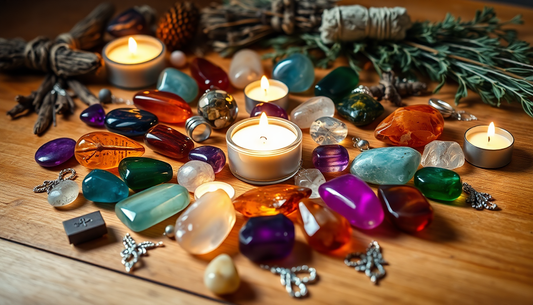
Consider creating a mandala altar or shrine in your meditation space. Combine a mandala artwork with candles, crystals, incense, and other spiritual objects that support your practice. This creates a sacred space that feels distinctly separate from the rest of your home and signals to your mind and body that this is a place for spiritual work. The presence of a mandala in this space deepens your connection to your practice and enhances the benefits you receive.
Home Office and Creative Spaces
For those who work or create from home, mandalas can enhance focus, creativity, and productivity. A mandala positioned where you can see it during work provides a visual anchor that helps maintain concentration and mental clarity. Choose designs in colors that support your work. Blues and greens promote calm focus, while yellows and oranges stimulate creativity and innovation.
A mandala in your creative space can also serve as inspiration for your own creative work. Many artists, writers, and designers find that the geometric harmony of mandalas sparks their creativity and helps them access flow states. Even if you're not creating mandala-inspired work, the presence of these designs can elevate your creative output by supporting mental clarity and emotional balance.
Bathroom Retreats
Your bathroom is a space for cleansing and renewal, making it an ideal location for mandala designs. A mandala shower curtain, bath mat, or wall art can transform your bathroom into a spa-like retreat. Mandalas in soft, soothing colors create a calming atmosphere that supports self-care rituals. Consider incorporating mandala designs that represent healing and renewal, such as green mandalas for growth or blue mandalas for cleansing and clarity.
Many people find that starting their day with a shower or bath in a mandala-infused bathroom sets a positive, centered tone for the entire day. The combination of water and mandala energy creates a powerful cleansing and renewal ritual that supports both physical and spiritual well-being.
Mandala Design Products and Decor Options
Wall Art and Canvas Prints
Wall art is one of the most impactful ways to incorporate mandalas into your space. Large canvas prints create a stunning focal point and allow you to choose designs that perfectly match your aesthetic and spiritual intentions. Canvas mandalas have a timeless quality and work with virtually any interior design style. Consider the size of your wall and the scale of your furniture when choosing canvas prints. A large mandala above a sofa or bed creates a powerful visual statement, while smaller prints can be grouped together to create a gallery wall effect.
Framed mandala prints offer a more traditional approach and work particularly well in eclectic or bohemian interiors. The frame adds definition and can be chosen to complement your existing decor. Metal frames create a modern look, wooden frames add warmth, and ornate frames enhance traditional or spiritual aesthetics.
Textiles and Soft Furnishings
Mandala-patterned textiles bring spiritual energy into your space in a subtle, integrated way. Throw pillows featuring mandala designs can be easily changed with the seasons or as your aesthetic evolves. Mandala blankets and throws add both comfort and visual interest to sofas and beds. These soft furnishings make mandala designs accessible and affordable, allowing you to experiment with different patterns and colors.
Mandala rugs create a grounding element in any room and define spaces within open-plan living areas. A mandala rug in your meditation space creates a sacred boundary, while a mandala rug in your living room adds visual interest and spiritual energy. Mandala curtains or window treatments frame your windows beautifully while filtering light in ways that create a serene atmosphere.
Decorative Objects and Accessories
Beyond wall art and textiles, countless decorative objects feature mandala designs. Mandala tapestries can be hung on walls or draped over furniture, creating flexible, changeable decor. Mandala wall decals offer an affordable, temporary way to experiment with mandala designs without permanent commitment. Mandala-patterned dinnerware, mugs, and kitchen accessories bring spiritual energy into everyday rituals.
Mandala-inspired furniture, such as ottomans, side tables, or headboards, creates a more integrated approach to mandala design. These pieces serve functional purposes while infusing your space with spiritual energy. Mandala mirrors, clocks, and other decorative objects add interest and meaning to shelves and walls.
DIY Mandala Projects
Creating your own mandala designs is a deeply spiritual and creative practice. Mandala coloring books offer a meditative activity that produces beautiful artwork you can display in your home. Painting or drawing your own mandalas allows you to infuse your personal energy and intentions into the designs. Many people find that creating mandalas is as spiritually beneficial as viewing them.
You can also create mandala designs using natural materials. Sand mandalas, following the Tibetan Buddhist tradition, create temporary art that embodies the concept of impermanence. Mandala designs created with stones, flowers, or other natural elements bring nature and spirituality together in your outdoor spaces. These DIY projects deepen your connection to mandala energy and create unique, personalized decor.
Creating a Cohesive Mandala Design Scheme
Developing a Color Palette
Creating a cohesive mandala design scheme begins with developing a color palette that works throughout your home. Choose two to three primary colors that will appear in multiple mandala designs across different rooms. This creates visual continuity and a sense of intentional design. For example, you might choose blues and purples as primary colors, with accents of white and silver. These colors create a calming, spiritual atmosphere that flows throughout your home.
Consider how your color palette transitions from room to room. Your bedroom might feature softer, cooler tones, while your living room incorporates slightly warmer accents. This creates variety while maintaining overall cohesion. Your color palette should also complement your existing furniture and architectural elements, ensuring that mandala designs enhance rather than clash with your space.
Balancing Mandala Designs with Other Elements
While mandalas are powerful design elements, they should be balanced with other decor to create a harmonious space. Avoid overwhelming your rooms with too many mandala designs. Instead, choose one or two statement pieces per room and complement them with neutral or complementary elements. This approach allows mandalas to shine while maintaining visual balance and preventing the space from feeling cluttered or overwhelming.
Consider the principle of negative space. Rooms with plenty of open wall space and uncluttered surfaces feel more peaceful and allow mandala designs to have greater impact. Conversely, rooms that are already visually busy might benefit from a single, well-chosen mandala rather than multiple designs.
Creating Visual Flow and Continuity
As you incorporate mandalas throughout your home, think about how they create visual flow and continuity. A mandala in your entryway sets the tone for the entire home, welcoming visitors into a space of spiritual serenity. Mandalas in hallways create visual interest as you move through your home. Mandalas in each room should relate